| |
The Role of Women in the 1800s
p.75 |
| |
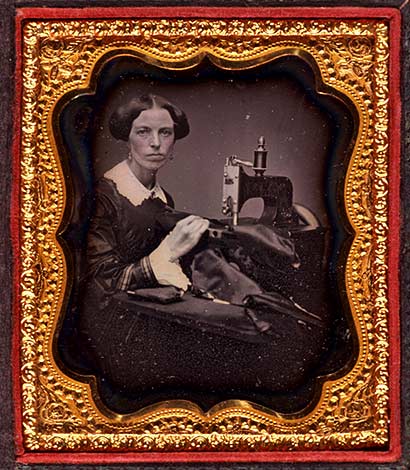
In the early part of the nineteenth century there were few roles for women other than mother and housekeeper. While it was unusual for women to hold jobs outside of the home, inside, women had a lot to take care of. In towns, wealthy women ran large households, which meant the supervision of the vegetable and herb gardens, the dairy, ordering supplies, planning menus, managing servants or slaves, and carrying for the health and spiritual well-being of their families. Women who were not wealthy sometimes worked as servants or hired out their services doing sewing or laundry.
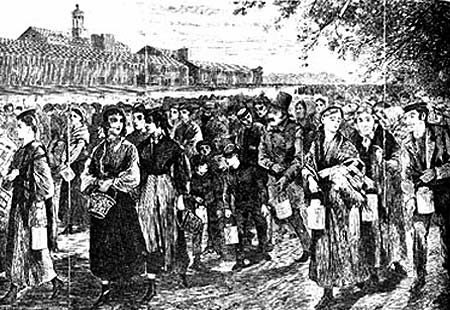
In farming families, women helped with farm chores and sometimes took on work from local merchants. Such work included spinning yarn, making cloth or clothes, and doing fancy embroidery. These women were sometimes paid in cash for their work, but more frequently they were paid in other goods. As the industrial revolution began to take hold in the United States, mills were set up to do the work that women from the farms used to do at home. Many women left their farms to make money working in factories and mills.
Women on the frontier had a very different lifestyle. The ruggedness of their daily life made it necessary for them to do much of what was considered “man's work” and many of these women became expert trappers and hunters.
One of the difficulties that women faced was a lack of education. It was only in the 1800s that women began to get any formal education after grammar school. This increase in education, made it possible for women were able to become teachers—although many times for half the pay of male teachers.
Women wanting a higher education founded and attended some of the first women's colleges, such as the Troy Female Seminary in Troy, New York, which opened in September 1821, and Mount Holyoke Seminary, which opened in 1837.
In the 1800s women also began to be politically active, starting organizations that fought against slavery, child labor, and for women's rights—including the right to vote.
|
|
|
|
|
|



 The Role of Women in the 1800s
p.75
The Role of Women in the 1800s
p.75