| |
Entertainment in the 1800s
p.55 |
| |
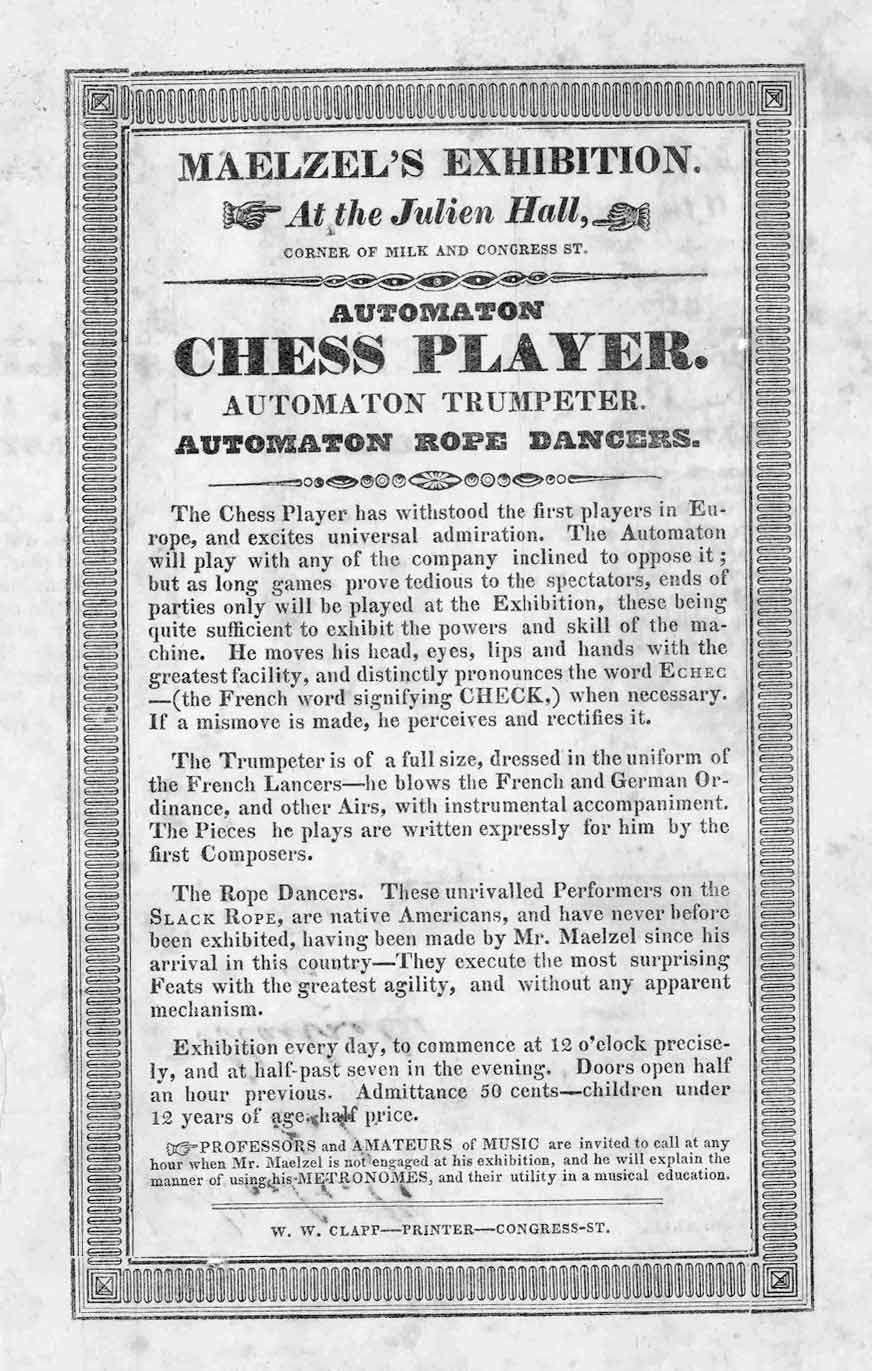
While churches and taverns were considered the major social centers of the nineteenth century, people were also trying out a variety of new entertainments. The early part of the 1800s is sometimes viewed as the beginning of the modern ballroom dance era. The waltz was a new dance in America and, though considered “shocking” in some circles, it was very popular. People also enjoyed contradances like the Virginia reel and the quadrille, with the music coming from a fiddle or violin.
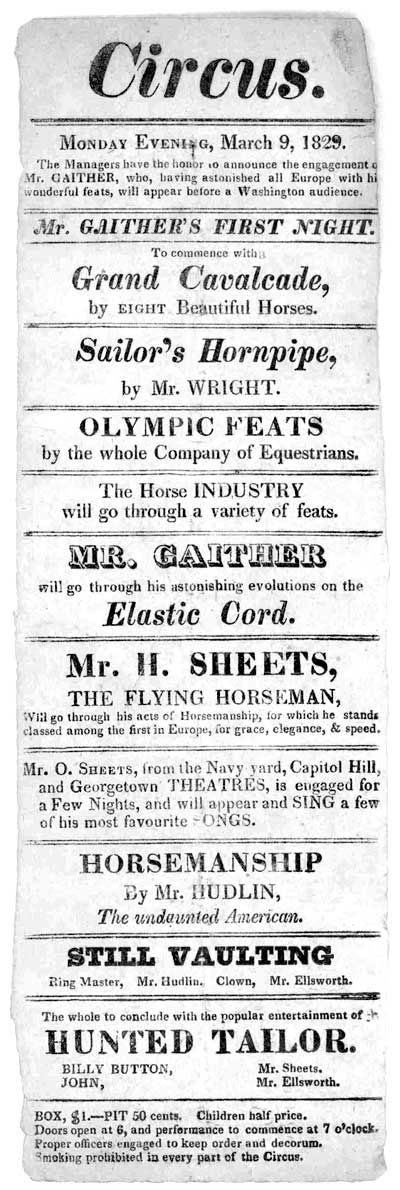
This was a time when people began to see the first hot-air balloons. For a fee, you could sit in the basket while the balloon rose up. People enjoyed traveling shows throughout the late 1700s, and circuses began to appear in the mid-1800s. By 1836, there were more than twenty-five circuses around the country featuring a combination of animals, sideshows, acrobats, and horse shows. P.T. Barnum's famous circus, “The Greatest Show on Earth,” opened in 1871.
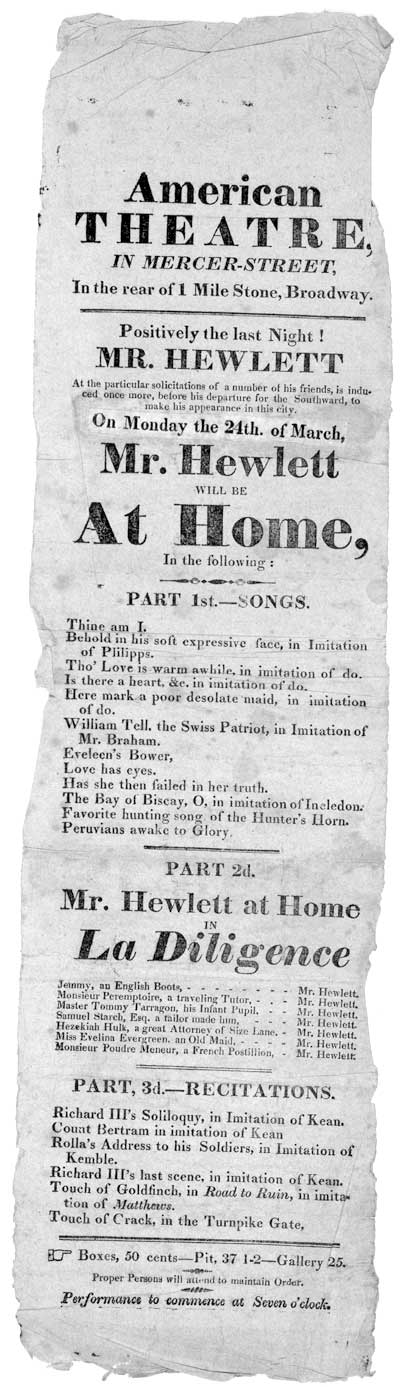
People also liked going to the theater and visiting all of the new museums. One of the first museums to open was Peale's Museum in Philadelphia, where one could see an exhibit that featured a nearly complete skeleton of a prehistoric mastodon. Many of America's most famous museums opened in the 1800s, including the American Museum of Natural History in New York City and the Museum of Fine Arts in Boston.
|
|
|
|
|
|

 Entertainment in the 1800s
p.55
Entertainment in the 1800s
p.55