| |
19th Century Newspapers
p.55 |
| |
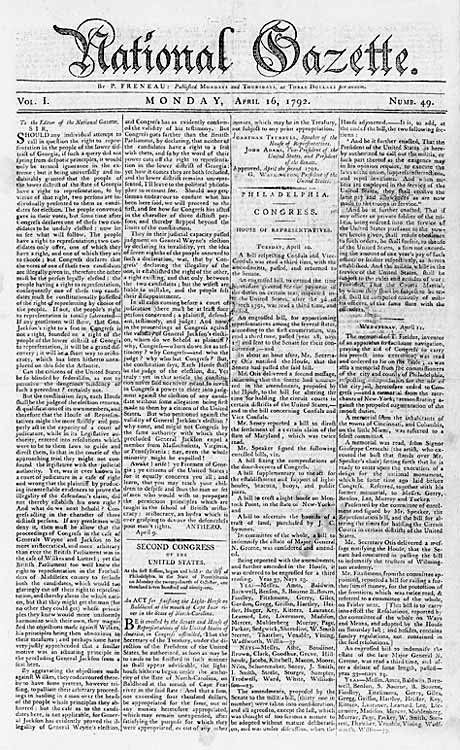
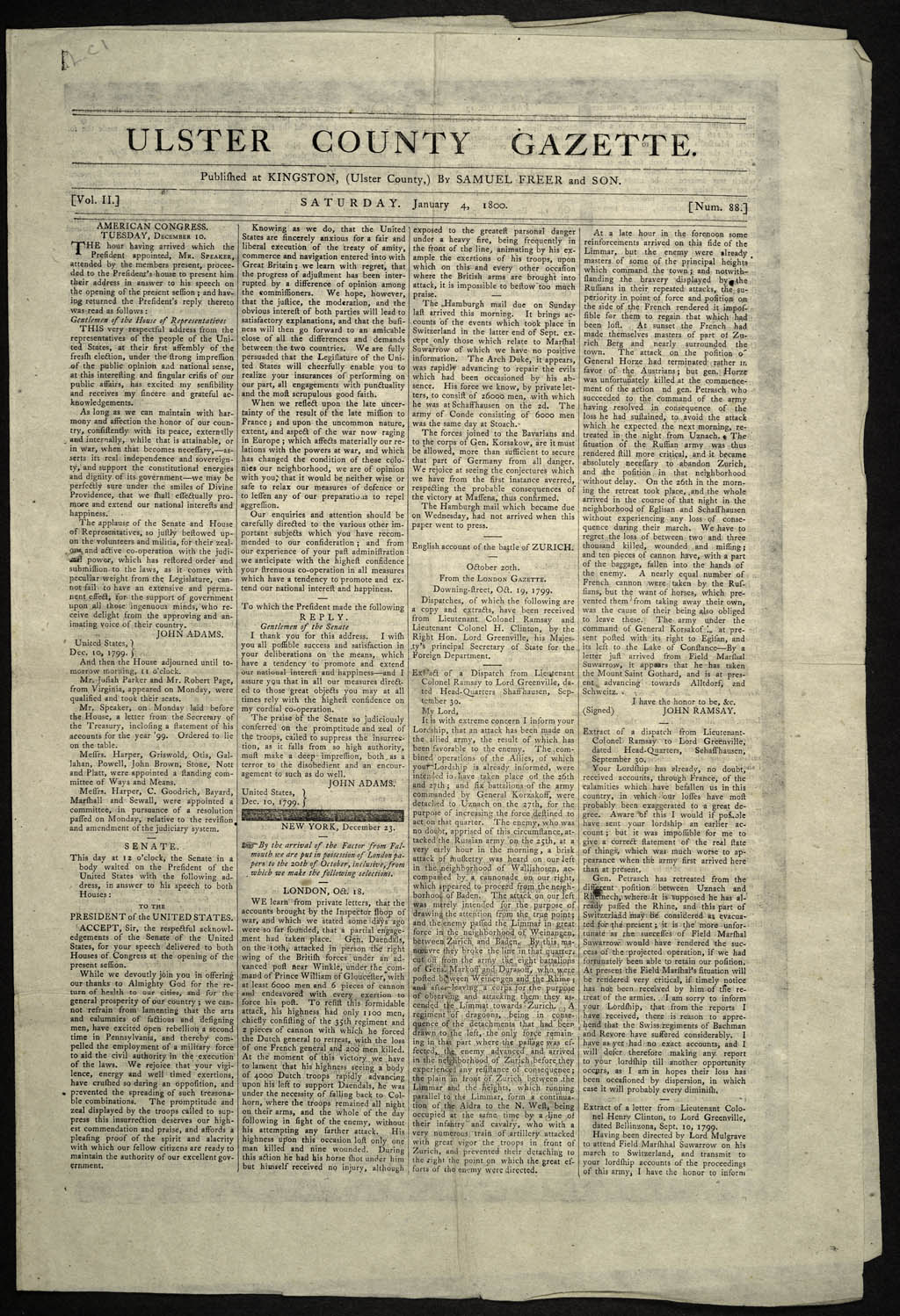
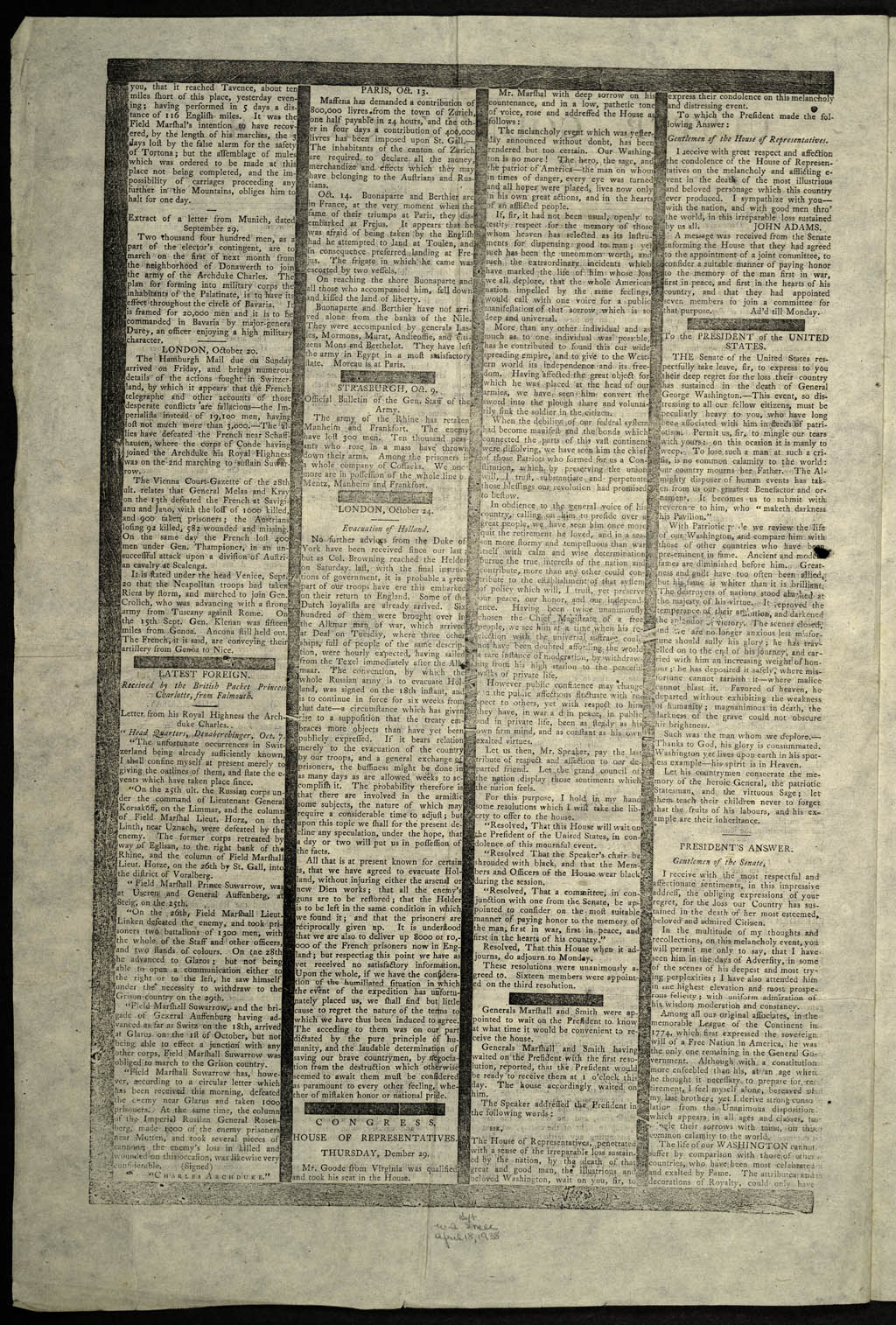
The early nineteenth century was a period of rapid growth in the newspaper industry. With the end of British rule, and the creation of the Bill of Rights in 1791, Americans were guaranteed freedom of speech, and the number of papers went from 43 in 1783 to 346 in 1814. Still, the newspapers of the period were very different from those of today. Often unreliable, they had to depend on other newspapers for their information. A seaport editor would visit incoming ships and pick up stacks of newspapers from the ship captains. Using the information from these papers, the editor would write his own articles. This meant that news was often weeks old by the time it appeared in a local newspaper. And with no way of checking the sources of these overseas stories, editors could never be sure that they were true.
This began to change in 1844 with the invention of the telegraph. Suddenly, people were able to transmit information across the country almost instantaneously. In the beginning, telegrams were extremely expensive. But with the formation of the Associated Press in 1848, newspapers were able to share the cost of sending and transmitting information; and timely, accurate stories became readily available to Americans. Like Philadelphia, where The National Gazette and the Philadelphia Repository were published, many major cities had their own local papers. In Boston, the Boston Gazette and Massachusetts Centinal were popular.
For a girl like Amelia, the newspaper would have brought more than just facts about events in Washington and the rest of the world. Full of advertisements and information on local occurrences, the newspapers she was reading were a link to Philadelphia and would most likely include stories about people that she knew.
|
|
|
|
|
|



 19th Century Newspapers
p.55
19th Century Newspapers
p.55