| |
Pittsburgh
p.53 |
| |
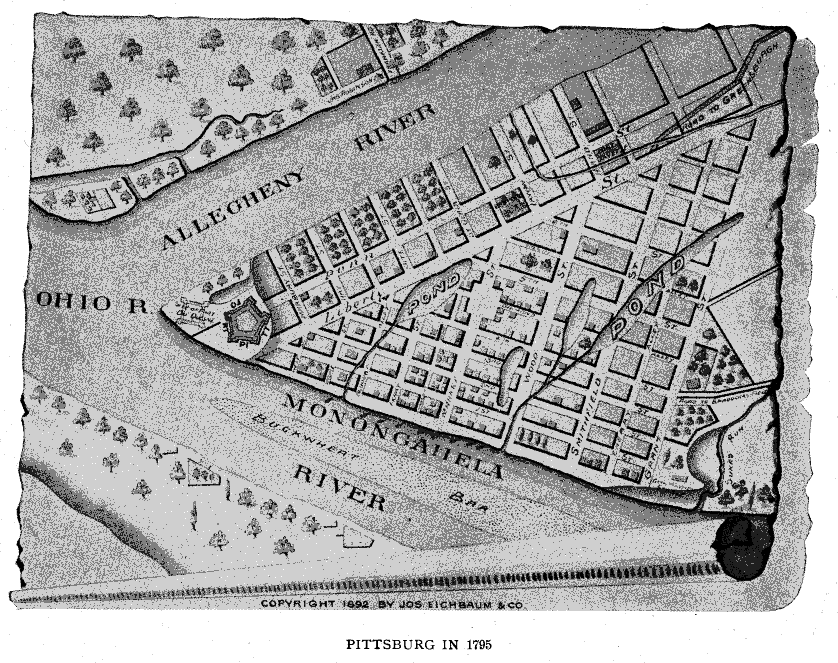
Long before English and French settlers made their homes on the banks of the Monongahela, Allegheny, and Ohio rivers, many First, or Native Americans lived there. The three rivers made it easy to travel and also provided good protection.
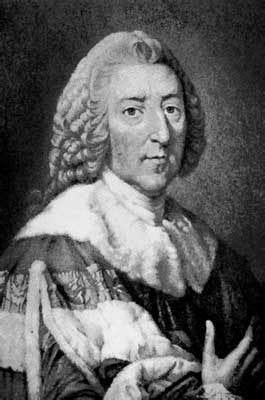
The English began building a fort at the point where the three rivers come together. In 1754, shortly after building started, the fort was taken over by the French and named Fort Duquesne. In 1759, the British were able to regain possession of the fort, renaming it Fort Pitt in honor of the British Prime Minister William Pitt.
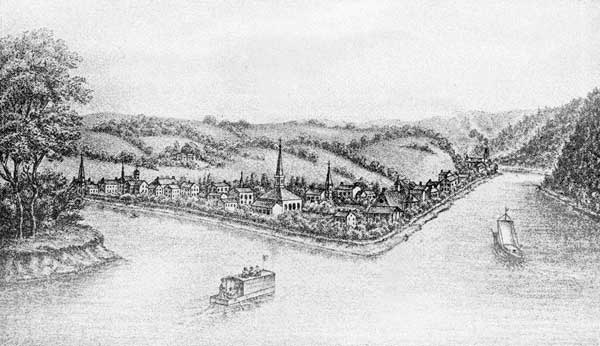
Although the first settlers in Pittsburgh were farmers, it quickly became a manufacturing town. Located as it was on the banks of three major rivers, Pittsburgh was also filled with shipbuilders. Steamboats carried people and goods from Pittsburgh down the Ohio to Cincinnati, St. Louis, and New Orleans.
The University of Pittsburgh, where Amelia's father was going to teach, was founded in 1787 as a small private school called the Pittsburgh Academy. It was located in a log cabin near Pittsburgh's three rivers. By 1819, the academy had become the Western University of Pennsylvania.
Pittsburgh's deposits of iron and coal turned it into an industrial city. It was in there that Andrew Carnegie, Henry Clay Frick, and Thomas Mellon all built their steel empires, and steel continued to be its major industry until the mid-1900s. It is now home to many high-technology industries including computer software, robotics, and biomedical fields.
|
|
|
|
|
|


 Pittsburgh
p.53
Pittsburgh
p.53